Editorial Picks
7 Independent Coffee Shops Defining Hongdae's Cafe Scene
From the roastery that started Korea's third-wave movement to a quietly tuned 2023 opening in a hidden basement — seven Hongdae and Yeonnam-dong specialty bars worth a measured cafe morning.
I trained in Boston and practice in California, and I keep one habit on every trip back to Seoul — I walk Yeonnam-dong, Hapjeong, and the Hongik University quadrant in the morning before any clinical work starts. The neighborhood is, in the most practical sense, where Korea's third-wave coffee movement first organized itself; one of the founders of that movement, Seo Pil-hoon, opened Coffee Libre on a quiet Yeonnam side street in 2009 and effectively wrote the playbook the rest of the city later followed. The cluster sits roughly thirty minutes by Line 2 from the Apgujeong-Cheongdam medical corridor where most of my international patients consult, which makes it the natural rest-day walk for the kind of patient who treats coffee as a meaningful trip variable rather than a fuel stop. This guide reads seven Hongdae-area independent coffee shops — six in Yeonnam, Hapjeong, and the Hongik core, one in adjacent Dohwa-dong — through what I would tell a colleague visiting Seoul for the first time. The list is alphabetized as Featured A through G, not ranked, and the order follows a walkable morning rotation rather than a quality hierarchy.
Why Hongdae is the right lens on Korean specialty coffee
Hongdae and especially Yeonnam-dong sit at the historical origin of Korea's specialty coffee movement, which means the neighborhood holds the densest cluster of small-batch roasters in the country. The third-wave moment in Seoul did not begin in the high-rent Apgujeong-Cheongdam corridor where one might reasonably expect; it began here, around Hongik University, where rent in the late 2000s was low enough that a single Q-grader-led roastery could operate without compromise. Coffee Libre opened in 2009 and supplied green beans to most of the roasters that followed; Fritz Coffee opened its converted-mansion flagship in nearby Dohwa-dong shortly after and turned cult-merchandise drops into a cafe-culture event. The architectural register of the cluster reflects this history: industrial heritage conversions in Hapjeong, wave-ceilinged design-forward shops near Hongik's main gate, finely tuned hidden bars in unmarked basements. The cluster also reflects a working ecosystem rather than a tourist showcase. Roasters here supply each other; partnerships rotate; the Daegu-origin roastery now operating a Seoul outpost blends collaboratively with the founders' generation. For a referring physician planning a patient's rest-day walk, that ecosystem matters because it produces a cafe rotation that rewards a returning visitor with a different pour over each morning rather than the same Instagram backdrop on repeat.
How I built this rotation
Methodology, briefly. The seven entries below were selected on three criteria. First, multi-source editorial confirmation in the canonical English-language references — Sprudge, The Vinyl Factory, Time Out Seoul, Visit Seoul, Visit Korea — supplemented by Korean-resident editor cross-checks where the English coverage thinned. Second, geographic walkability from Hongik University Station within the Mapo-gu quadrant; the cluster includes Yeonnam-dong, Hapjeong, Seogyo-dong, and one Dohwa-dong entry roughly fifteen minutes on foot from the Mapo subway. Third, category mix across roasting tradition, cafe format, and architectural register — third-wave founders, converted heritage buildings, design-forward interiors, finely tuned 2020s openings. The Coffee Libre Yeonnam original anchors the rotation as the historical entry point; the Fritz Dohwa flagship anchors the brunch-and-merch tier; the Anthracite Hapjeong shoe-factory conversion anchors the heritage-architecture tier; and the most recent opening on the list, Tremor Coffee Works, anchors the 2023-2026 bar-program tier that the city's editors have been quietly cataloguing. Pricing reflects observed retail at the time of writing; both pricing and hours shift, and a visitor should re-confirm on the morning of visit. Inclusion is editorial; none of the cafes here are partners of the parent network.

Seven independent coffee shops, in the order you would walk them
Featured A through G — alphabetical, not ranked. The rotation begins in Yeonnam-dong at the third-wave origin point, walks south through Hapjeong's heritage conversions, crosses into the Hongik core for design-forward and finely tuned bars, and finishes adjacent to the cluster in Dohwa-dong for the converted-mansion flagship. A visitor with a single Hongdae morning runs the first three; a visitor with two mornings adds the fourth and fifth; a returning patient with a third trip closes the rotation at the Hongik-core bars on the final morning.
Featured A — Coffee Libre (Yeonnam-dong)
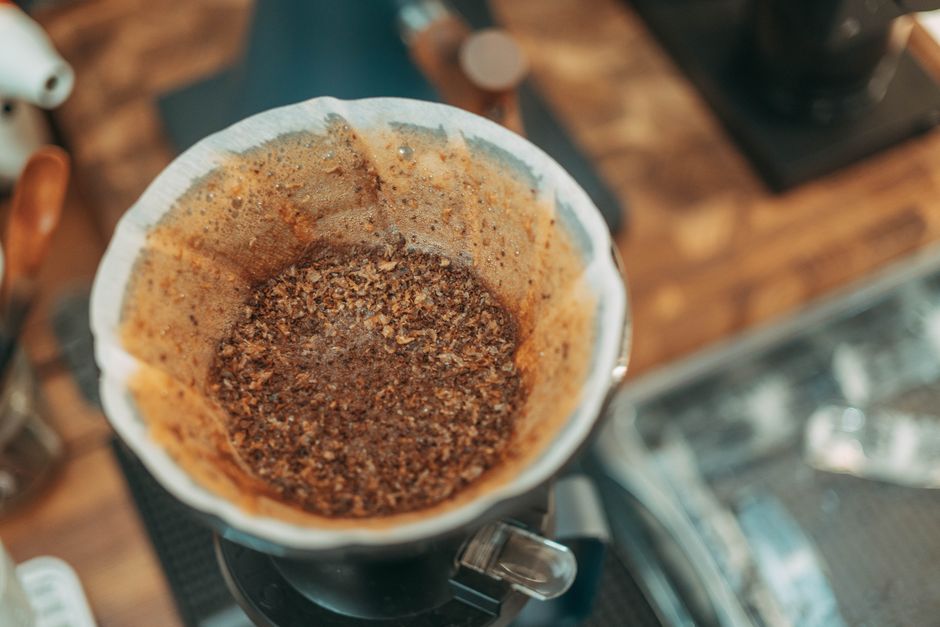
The historical entry point to Korean third-wave coffee. Coffee Libre opened in 2009 on a quiet Yeonnam side street, founded by Seo Pil-hoon — Korea's first certified Q-grader — and is widely credited with starting the country's specialty-roasting movement. Sprudge, the most consistently authoritative English-language reference for global specialty coffee, has covered the roastery as the cluster's origin point; subsequent generations of Korean roasters sourced their green beans from Coffee Libre in the early 2010s, and several still do. The Yeonnam original is small, unfussy, and runs an unembellished single-origin pour-over program — the kind of bar where the barista will ask, in measured English, what the customer typically drinks at home and then choose accordingly. There is no design-driven theatre, no merch wall to speak of, no ambient soundtrack engineered for short attention. The cafe is, on first read, almost stubbornly plain — which is precisely the point. The customer is here for the coffee. Best for: the first morning of a returning visitor's rotation, anyone who treats the specialty-coffee origin story as a meaningful trip variable, and clinicians who pair the visit with a quiet walk through Gyeongui Line Forest Park immediately afterward.
Featured B — Anthracite Coffee Roasters (Hapjeong)
The heritage-architecture anchor of the cluster. Anthracite's Hapjeong branch operates inside a converted 1960s shoe factory at 10 Tojeong-ro 5-gil in Mapo-gu — the original branch in the brand's now-multi-location operation, and the one Time Out Seoul, Visit Seoul, and The Soul of Seoul consistently cite as the architectural reference point. The building retains its industrial character: exposed concrete, high ceilings, the kind of column spacing that the original factory floor required. The roasting program is in-house, the pour-over flight is structured to let a visitor compare three origins across a single sitting, and the cafe is large enough that the morning crowd never feels compressed. For an international visitor walking the cluster, this is the cafe that anchors the heritage-conversion register; for a returning patient, it is the second-morning option that pairs naturally with Coffee Libre's bare-bones bar. Verification note: the brand operates several branches across Seoul and Yongsan; the Hapjeong original is the one referenced here. Best for: travelers who treat heritage architecture as a meaningful coffee-shop variable, slow morning visits before the Yeonnam crowd builds, and anyone interested in how Korean specialty coffee inherited industrial-conversion design from European third-wave culture.
Featured C — Felt Coffee (Changjeon-dong)
In-house roasting with a working retail bean program. Felt Coffee operates in Changjeon-dong inside the broader Hongik University quadrant, runs an in-house roastery built around green beans from Brazil, Costa Rica, and El Salvador, and sells retail bags in the KRW 10,000 to 16,000 range per 200g — pricing that situates the cafe in the working-roaster tier rather than the design-cafe tier. Sprudge has profiled Felt within its survey of Seoul's most thoughtful roasters; Wanderlog's 50-best-roasters cluster also references the bar. The cafe itself is modest, the bar program runs filter-forward, and the staff handle international visitors smoothly given the broader Hongik University international-student population. Best for: returning patients who treat the retail-bean purchase as part of the morning visit, single-origin filter drinkers, and travelers who want to take a working roaster's beans home as a Seoul reference. The Costa Rica and El Salvador rotations are the most consistently noted by Sprudge's coverage.
Featured D — Fritz Coffee Company (Dohwa-dong)
The brunch-and-merch flagship that defined cult-cafe culture in Seoul. Fritz Coffee operates its Dohwa-dong original from a converted 1950s mansion at 17 Saechang-ro 2-gil in Mapo-gu — fifteen minutes on foot from the Hongik core, technically just outside Hongdae proper but inside the cluster's working radius. The brand is the most internationally recognizable specialty operator in Korea; the seal-logo merchandise drops have a collector-grade following, the brunch program runs through the bakery counter alongside the espresso bar, and weekend wait times are notorious enough that arriving at opening is the practical move. Tripadvisor, Daniel Food Diary, and SeoulShopper consistently cite the Dohwa flagship as the brand's defining location. For an international visitor, the Fritz Dohwa visit functions as a full morning rather than a quick stop — the kind of breakfast where the line, the bakery selection, the espresso flight, and the merch wall together fill a hospitable two hours. Best for: first-time Seoul visitors who want the cult-cafe experience that international coverage has built around the brand, design-conscious readers who treat the converted-mansion architecture as meaningful, and returning patients pairing the morning with a Mapo riverside walk afterward. Note that Fritz operates additional branches in Wonseo (Jongno) and Yangjae (Seocho); the Dohwa-dong original is the reference here.
Featured E — Tremor Coffee Works (Hongdae, hidden basement)
The finely tuned 2023 opening that the city's editors have been quietly cataloguing. Tremor Coffee Works opened in 2023 inside an unmarked Hongdae location, founded by Jinny Lee, who was raised in Indonesia and trained across two specialty traditions. The bar program is the kind of measured, hospitality-forward operation that defines the newer generation of Seoul openings — a small filter and espresso menu, beans rotated carefully, and a service register that the customer registers within the first thirty seconds of sitting down. The cafe sits among Seoul's most thoughtful 2024-2026 openings in the assessment of Korea Experience and Things Nomads Do, both of which have begun publishing the kind of bar-by-bar Seoul coverage that filled a gap left by the larger international references. Best for: returning patients on a third or fourth trip who have already run the historical cluster, specialty-coffee readers who treat the most recent generation of openings as the trip's quiet highlight, and clinicians who appreciate the cafe equivalent of a senior physician's restraint. The cafe is, deliberately, harder to find — which is part of how the operator has kept the bar small enough to handle each customer carefully.
Featured F — Perception Coffee (Hongdae)
The design-forward register of the cluster. Perception Coffee operates inside the Hongdae core and is most consistently noted for its architectural interior — wavy wooden ceiling panels that frame the cafe as much as the coffee program does. The cafe is design-driven rather than roastery-driven in its positioning, which makes it a meaningful counterpoint to the working-roaster bars elsewhere in the cluster. Korea Experience and Things Nomads Do have profiled Perception in their Seoul coverage; the broader English-language references are thinner, so this is a cafe a visitor walks into with the understanding that the interior is the primary differentiator. The coffee program itself is competent rather than category-defining. Best for: design-conscious visitors who treat interior architecture as a meaningful cafe variable, photographers building a Hongdae interior portfolio, and travelers who want a single design-forward stop between the working-roaster bars on the same morning. The mid-morning window is the calmest; weekend afternoons run busier than the cafe's footprint comfortably handles.
Featured G — Coffee Nap Roasters (Yeonnam-dong)
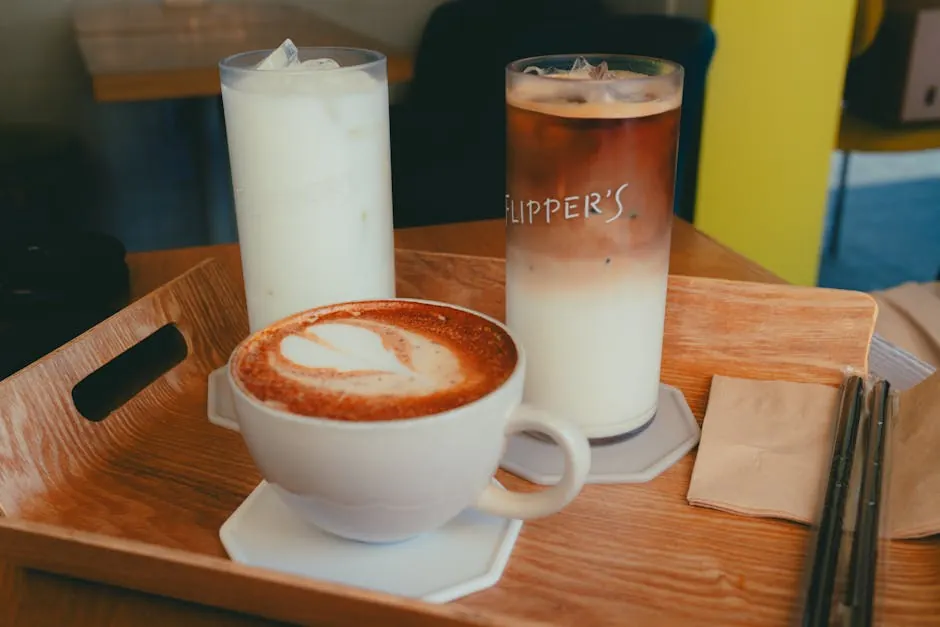
In-house roasting with a working street-facing window seat. Coffee Nap Roasters operates in Yeonnam-dong and runs an in-house roastery built around a small, street-facing window-seat program — the kind of cafe where a visitor reads, drinks, and watches the Yeonnam morning pass without the cafe asking for any further engagement. The bar program runs iced latte and single-origin filter as the two consistently noted items. Editorial coverage runs through Korea Experience and Things Nomads Do; broader English references are thinner. For a returning patient walking the cluster on a quiet weekday morning, this is the cafe that closes the Yeonnam rotation hospitably. The street-facing seat program also works as a working-laptop stop for the visitor whose trip blends rest-day walking with quiet correspondence — the kind of cafe that does not push the customer out after a single drink. Best for: long-form morning visits, single-origin filter drinkers who want a working-roaster reference outside the historical bar at Coffee Libre, and travelers who treat the people-watching value of a Yeonnam window seat as part of the morning's offer.
How the seven compare at a glance
Categorical positioning, not ranking. The table sorts the rotation by neighborhood, register, and the practical question of what each cafe is best for.
| Cafe | Subarea | Register | Defining note | Best for |
|---|---|---|---|---|
| Coffee Libre | Yeonnam-dong | Historical third-wave origin | Founded 2009 by Korea's first Q-grader | First-morning origin walk |
| Anthracite Coffee Roasters | Hapjeong-dong | Heritage-architecture conversion | 1960s shoe-factory building intact | Slow morning, architectural register |
| Felt Coffee | Changjeon-dong | Working in-house roaster | Brazil / Costa Rica / El Salvador greens | Retail bean purchase |
| Fritz Coffee Company | Dohwa-dong (adjacent Hongdae) | Brunch-and-merch flagship | Converted 1950s mansion + cult merch | Two-hour Saturday morning |
| Tremor Coffee Works | Hongdae (hidden) | Finely tuned 2023 opening | Senior-restraint bar program | Returning visitor's third trip |
| Perception Coffee | Hongdae core | Design-forward interior | Wavy wooden ceiling panels | Architecture-led visit |
| Coffee Nap Roasters | Yeonnam-dong | Working-roaster window seat | Street-facing single-origin filter | Long-form working morning |
How to build a real Hongdae cafe morning around a Seoul medical-trip visit
The cluster sits roughly twenty-eight minutes east on Line 2 from Gangnam Station, which makes a Hongdae cafe morning a realistic rest-day option between consultations in the Apgujeong-Cheongdam corridor. For a patient on a five-day trip with one quiet day built in, the practical structure is to take Line 2 west from the hotel after a late breakfast, exit Hongik University Station at Exit 3 for Yeonnam-dong access, and walk Coffee Libre, Anthracite Hapjeong, and one of the working-roaster bars (Felt or Coffee Nap) across a measured three-hour rotation. Returning patients with a second cafe morning extend the rotation south through the Hongik core to Tremor or Perception, then close at Fritz Dohwa with the brunch program on the way back toward the river. A patient on a recovery day after a non-invasive aesthetic session will find the cluster's walkability forgiving — the cafes are densely spaced, the surrounding park is the linear Gyeongui Line Forest Park rather than a vertical-climb option, and none of the bars require physical engagement beyond a calm sit-down. The cafe rotation works independently of the clinical visit; we cover the clinical-side rest-day framing in the Seoul stem-cell aftercare guide and the broader Hongdae-as-rest-day positioning in the Seoul districts comparison.
Where Hongdae's coffee culture fits in the broader Seoul map
The Hongdae cluster is one of three principal specialty-coffee neighborhoods in Seoul; the other two are Seongsu-dong, which has emerged in the last six years as the design-forward warehouse-conversion tier, and the Itaewon-Hannam axis, where the more luxury-positioned bars cluster around the museum district. For a visitor reading the city's coffee map through a single lens, Hongdae anchors the historical and third-wave-origin position; Seongsu anchors the architecturally ambitious present; Itaewon-Hannam anchors the high-end international tier. The three together cover the practical full read for an international patient on a multi-trip schedule. The Hongdae rotation works best as the first cluster on a returning visitor's coffee education because it preserves the historical context that the newer Seongsu and Hannam openings then build on. For a patient who treats the city through the coffee map specifically, walking Hongdae first reads the right way around. The neighborhood also remains, in a way the others have begun to lose, organized around the working roaster rather than the design moment — which is to say that the visitor leaves Hongdae understanding what the bean tastes like before encountering the cafes that elevate the interior register above the coffee program.
Seasonal notes and what shifts through the year
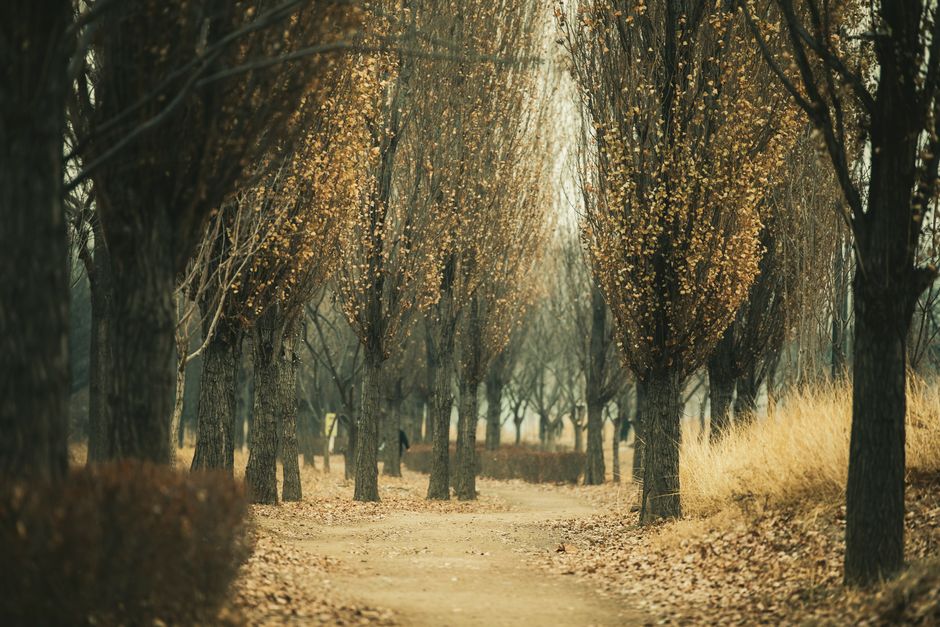
The Hongdae cluster runs meaningfully seasonal in two registers — bean origin rotation and cafe-floor traffic — and a returning patient planning successive trips encounters a different lineup at every counter listed above. Bean rotation tracks the global coffee calendar more than the Korean one; Brazilian and Central American greens dominate the autumn-through-winter window, Ethiopian and East African origins arrive in late spring and through the summer, and the Costa Rica and El Salvador lines that Felt and Coffee Nap source through tend to peak in February through May. The roasting calendar at Coffee Libre and Anthracite Hapjeong also rotates seasonally — the founders' generation typically introduces new origin micro-lots in late winter and again in late summer, which produces a meaningfully different pour-over experience for returning visitors planning their second or third trip around the cafe rotation. Cafe-floor traffic is the second variable: Saturday and Sunday late-morning windows at Fritz Dohwa, Coffee Libre, and Anthracite Hapjeong build quickly enough that arriving at opening is the practical move on weekend visits, while the smaller hidden-bar register at Tremor and the design-forward register at Perception handle weekday traffic at a more measured pace. Cherry-blossom season in early April runs an outdoor-seat premium across the cluster; the Gyeongui Line Forest Park stretch from Hongik University Station Exit 3 frames the morning walk with the city's most consistently photographed cherry-blossom tree-tunnel, and the cafes that face onto the park (the Yeonnam-dong cluster around Coffee Libre and Coffee Nap) read particularly well in early April morning light. Summer brings the iced-latte register forward across the cluster — the working roasters at Felt and Coffee Nap shift their bar programs to highlight the cold-brew and iced-filter formats that the Seoul humidity rewards, and the Anthracite Hapjeong shoe-factory interior reads coolly enough through the August heat that the visit registers as a measured midday rest. Autumn delivers the cluster's quietest light and the most considered pour-over service across all seven cafes; the late-October through mid-November window is, in my reading, the single best four-week stretch for a Hongdae cafe morning, with the foliage along the linear park framing the walk between the Yeonnam bars at golden hour. Winter introduces a hot-filter premium that the cafes have refined over the past three years — the espresso-and-hot-milk register at Fritz Dohwa and the structured pour-over flight at Anthracite both read particularly well in the December-through-February window when the broader Hongdae nightlife has retreated indoors. None of this changes the rotation logic above, but a returning patient planning the second or third visit at a different season will find the cafe experience meaningfully different from the first trip's reading — which is part of why the cluster rewards multi-trip visitors more reliably than the single-stop Instagram destinations elsewhere in the city.
“Hongdae rewards the visitor who treats it as a rotation rather than a single bar — the third-wave origin at Coffee Libre, the heritage conversion at Anthracite, the converted mansion at Fritz, and the city's coffee literacy is meaningfully complete.”
Daniel Park, MD
Frequently asked questions
Which Hongdae cafe is the right first stop for a visitor new to Korean specialty coffee?
Coffee Libre in Yeonnam-dong, on the practical grounds that the cafe is the historical origin point of the country's third-wave movement and runs the most unembellished bar program in the cluster. The customer is asked, in measured English, what they typically drink at home; the barista chooses accordingly. The cafe is small and the morning is quiet — which is the right register for building a baseline read on Korean coffee culture before the design-forward and brunch-and-merch options later in the rotation start to make sense.
How far is the Hongdae cluster from the Apgujeong-Cheongdam medical corridor?
Roughly twenty-eight minutes east on Line 2 from Gangnam Station, or twenty-five to thirty minutes by taxi in light traffic. From Apgujeong specifically, the practical route is Line 3 to Express Bus Terminal, Line 9 to Dangsan, Line 2 to Hongik University Station, which runs around thirty-five minutes total. For a patient with a quiet day between consultations, the cluster is reachable as a rest-day walk without the trip eating more than half a morning of round-trip transit.
Is Fritz Coffee's Dohwa flagship actually inside Hongdae, or is it adjacent?
Adjacent. The Fritz Dohwa flagship operates from a converted 1950s mansion at 17 Saechang-ro 2-gil in Mapo-gu, roughly fifteen minutes on foot from the Hongik University quadrant. The location reads as part of the Hongdae cluster in working terms — the same Mapo-gu administrative district, the same morning rotation a visitor would build — but the cafe technically sits in Dohwa-dong. Fritz operates additional branches in Wonseo (Jongno) and Yangjae (Seocho); the Dohwa original is the one this guide references.
How early should I arrive at Coffee Libre or Anthracite Hapjeong on a weekend morning?
At opening on Saturday and Sunday — the weekend late-morning window builds traffic at both bars beyond what their working footprints comfortably handle. Anthracite's Hapjeong shoe-factory conversion runs particularly photographed; Coffee Libre's small Yeonnam bar fills quickly. Weekday mornings are meaningfully calmer; if the trip allows a Tuesday or Wednesday window, that is the better visit. The smaller hidden-bar register at Tremor and the design-forward register at Perception handle weekday and weekend traffic at a more measured pace.
Does Coffee Libre or Felt Coffee sell retail beans I can take home?
Felt Coffee sells retail bags in the KRW 10,000 to 16,000 range per 200g, sourced from the in-house roastery and rotated across Brazilian, Costa Rican, and El Salvadoran origins. Coffee Libre sells retail beans as well, though the program is less prominent than the bar service; visitors who want the historical Coffee Libre reference at home should ask the barista directly. The retail-bean purchase reads as part of the morning visit at both cafes, and the staff handle international cards without friction.
Is Tremor Coffee Works actually hidden, or just hard to find on a first walk?
Hard to find on a first walk by design. Tremor opened in 2023 in an unmarked Hongdae location with limited signage, which is part of how the operator has kept the bar small enough to handle each customer carefully. A visitor on a first attempt should treat the cafe as a destination rather than a drop-in; the bar program rewards a measured sit-down. Korea Experience and Things Nomads Do have begun publishing the location coordinates that thinner English references have not yet caught up to; checking those before the visit is the practical move.
Can I pair a Hongdae cafe morning with the same-day Gyeongui Line Forest Park walk?
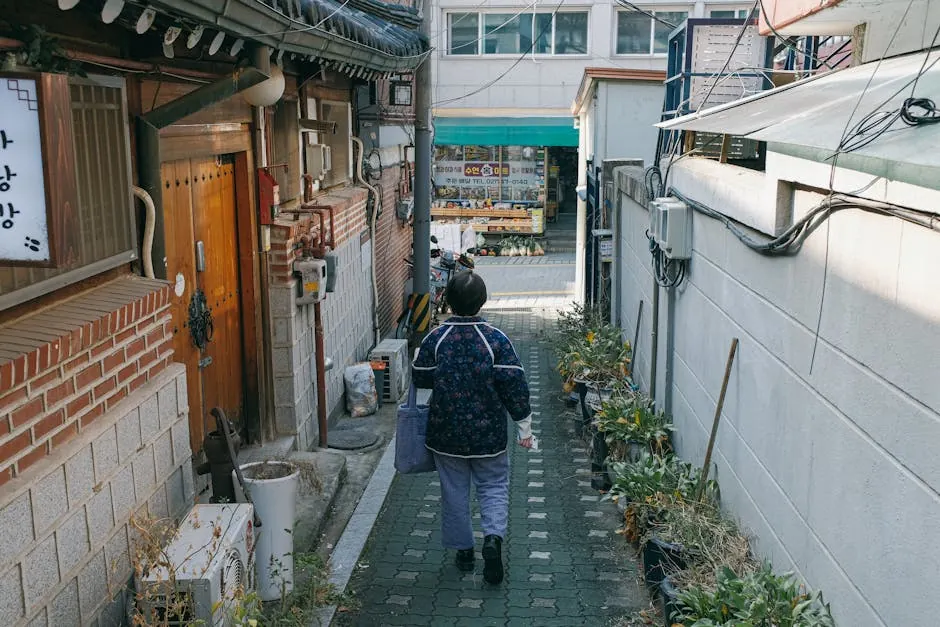
Yes, and it is the structure most returning visitors eventually arrive at. Hongik University Station Exit 3 opens directly onto the Yeonnam-dong side of Gyeongui Line Forest Park — the linear park locals call 'Yeontral Park,' running roughly 1.3 km along the former rail bed. The practical rotation is a 09:00 cafe stop at Coffee Libre, an 11:00 walk south through the park, an early lunch in Hapjeong, and an afternoon at Anthracite Hapjeong's shoe-factory courtyard. The cluster is densely walkable; none of the cafes require physical engagement beyond a calm sit-down.
Which cafe is most international-traveler friendly at the counter?
Coffee Libre, Anthracite Hapjeong, and Fritz Coffee Dohwa handle international visitors at the counter most consistently — English-capable staff, multilingual menu cards in the case of Fritz, and the international-student adjacent population at Hongik University producing a counter culture comfortable with non-Korean orders. Felt and Coffee Nap handle international ordering smoothly though more briefly; Tremor and Perception are smaller bars where the staff is welcoming but the bar program runs in Korean as the primary working language. All seven accept international cards without friction.