
Editorial Picks
7 Vintage and Thrift Shops in Hongdae and Yeonnam-dong
From a ten-year Hongdae anchor designated by the Seoul tourism office to a clean Hapjeong boutique-thrift hybrid — seven Mapo-gu vintage rooms worth a measured rest-day afternoon.
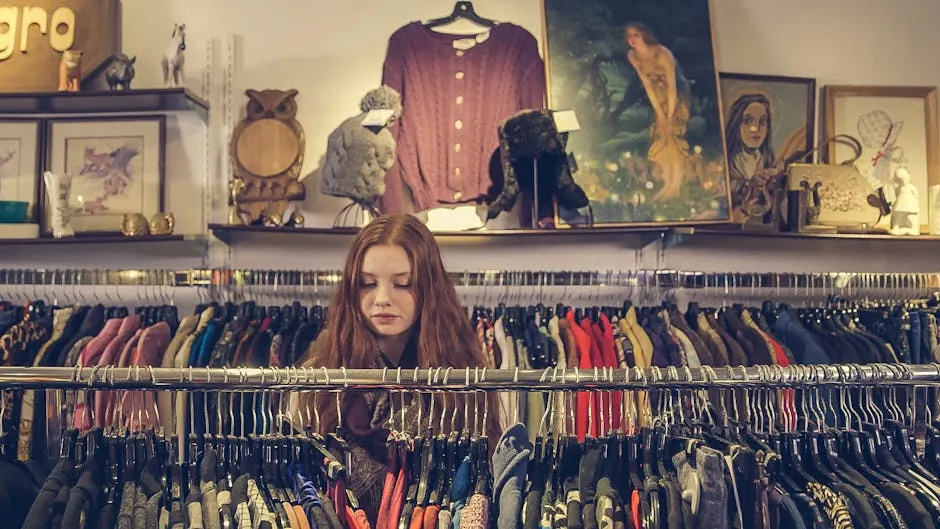
I trained in Boston, practice in California, and on every trip back to Seoul I build at least one afternoon around Hongdae and Yeonnam-dong's vintage shops — the same way I keep a coffee morning in Yeonnam. The cluster sits roughly twenty-eight minutes west on Line 2 from the Apgujeong-Cheongdam medical corridor where most of my international patients consult, and it has, in the most practical sense, become the densest vintage and thrift cluster in Korea. The neighborhood feeds the Korean streetwear scene that the rest of East Asia now follows; rooms here trade Ralph Lauren button-downs, Carhartt jackets, Stüssy graphics, and YSL pieces at a register that Apgujeong's polished consignment floors simply do not match. This guide reads seven Mapo-gu vintage and thrift shops — four in the Hongdae core, two in Yeonnam-dong, one in Hapjeong — through what I would tell a colleague visiting Seoul for the first time. The list is alphabetized as Featured A through G, not ranked, and the order follows a walkable rest-day afternoon rotation rather than a quality hierarchy. The cluster is forgiving for a patient on a quiet day after a non-invasive aesthetic session; the rooms are densely spaced, the floors are flat, and the rotation rewards the visitor who treats it as a measured walk rather than a single drop-in.
Why Hongdae is the right entry point into Korean vintage culture
Hongdae and especially Yeonnam-dong sit at the historical origin of Korean secondhand fashion culture, which means the neighborhood holds the densest cluster of vintage and thrift rooms in the country. The Korean streetwear industry that now exports significantly to Japan, China, Southeast Asia, and the United States organized itself around Hongik University's art-school spillover in the late 2000s, and the vintage scene that fed the streetwear scene followed roughly the same geographic logic. The cluster spans two registers. The main Hongdae core, around Hongik University Station Exit 8 and 9, holds the bigger warehouse-style rooms and basement halls — the kind of floor where a visitor sorts through a hundred pieces in an hour and walks out with three. Yeonnam-dong, accessible from Exit 3, runs quieter and more curated; the rooms there read closer to brand-edited boutiques than open-warehouse thrift, with Ralph Lauren Polo, Burberry, YSL, Carhartt, and Stüssy curations sitting alongside European designer pieces. Hapjeong, the third pocket, holds a single boutique-thrift hybrid worth the walk south. For a returning patient who treats secondhand fashion as a meaningful trip variable, the cluster's split register matters. The first afternoon runs the brand-curated Yeonnam rooms; the second extends into the Hongdae-core warehouse halls; a third afternoon closes at the Hapjeong boutique-thrift bridge. The neighborhood also operates seasonally — outerwear and denim rotations build through autumn into winter, lighter graphic tees and reworked apparel dominate spring and summer — and the cafes within walking distance support the kind of long, slow afternoon that the rooms reward.
How I built this rotation
Methodology, briefly. The seven entries below were selected on three criteria. First, multi-source editorial confirmation in the canonical English-language references — Visit Seoul, Trazy Blog, Lemon8 Hongdae thrift coverage, Tripzilla's Seoul thrift surveys, and the more recent District Sixtyfive and Go Farther vintage guides — supplemented by Korean-resident editor cross-checks. Second, geographic walkability from Hongik University Station within the Mapo-gu quadrant; the cluster includes Yeonnam-dong, the Hongik core, and one Hapjeong entry roughly fifteen minutes on foot from the main subway. Third, category mix across vintage register — long-tenure brand-curated boutiques, warehouse-style basement halls, grunge-era cramped rooms, boutique-thrift hybrids — to support a real two-or-three-afternoon rotation rather than a single representative stop. The Vintage Shop Page-One anchor is the cluster's most decorated long-tenure entry, designated a Visit Seoul official featured shop and operating for over a decade. Yeonnam Y anchors the brand-heavy curated register at the Yeonnam entrance. The Hongdae-core warehouse trio — Root, Wow! Vintage, Hongdae Vintage B1 — anchors the open-floor afternoon. Ropa Usada anchors the grunge-era cramped-room register. Vin Prime in Hapjeong closes the rotation as the boutique-thrift bridge. Pricing reflects observed retail at the time of writing; both pricing and floor rotation shift, and a visitor should treat the rooms as inventory-fluid rather than expecting any specific piece to remain on a return visit. Inclusion is editorial; none of the rooms here are partners of the parent network.

Seven vintage and thrift shops, in the order you would walk them
Featured A through G — alphabetical, not ranked. The rotation begins in Yeonnam-dong at the brand-curated entry point, walks south through the Hongik core for the warehouse halls and the long-tenure anchor, and finishes adjacent to the cluster in Hapjeong for the boutique-thrift bridge. A visitor with a single Hongdae afternoon runs the first three; a visitor with two afternoons adds the fourth and fifth; a returning patient with a third trip closes the rotation at the Hongik-core basement halls and the Hapjeong bridge on the final afternoon.
Featured A — Vintage Shop Page-One (Hongdae)
The cluster's most decorated long-tenure anchor. Page-One has operated as a Hongdae vintage room for more than ten years, runs an imported European and American curation, and has been designated an official Visit Seoul featured shop — the Seoul tourism authority's working selection of rooms representative of the city's secondhand register. The Trazy Blog Hongdae vintage coverage cites the room consistently across multiple-year surveys. The floor reads as the kind of working-vintage room a returning visitor builds a baseline read from: the curation is tight enough that a careful walk produces several considered pieces rather than overwhelming volume, the staff handle international visitors comfortably given the room's tourism-board designation, and the pricing sits in a register that the broader Hongdae warehouse halls do not consistently match. The pieces lean toward Americana and European basics — heritage workwear, vintage denim, classic outerwear, the occasional designer find. Best for: the first afternoon of a returning visitor's rotation, anyone who treats long-tenure brand reputation as a meaningful trip variable, and clinicians who appreciate the cluster's most editorially decorated room before extending into the warehouse halls.
Featured B — Yeonnam Y (Yeonnam-dong)
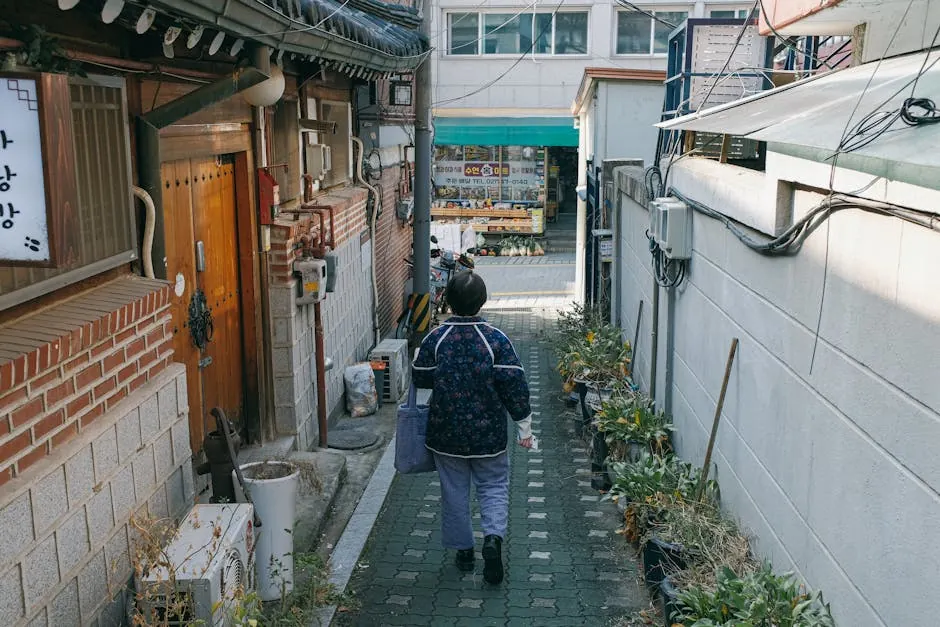
The brand-heavy curated entry to the Yeonnam-dong register. Yeonnam Y operates roughly 333 meters from Hongik University Station Exit 3 — practical walking distance from the subway exit — and runs a curation heavy on recognizable brands. Ralph Lauren Polo, Burberry, YSL, Carhartt, and Stüssy are the consistently cited names across Lemon8's vintage coverage and Trazy Blog's Yeonnam-vintage surveys. The room reads closer to a brand-edited boutique than an open-warehouse thrift, which makes it the right Yeonnam-dong entry point for a visitor who values curation over volume. The floor is small enough that a careful twenty minutes covers the rotation thoroughly, and the staff handle international visitors smoothly given the broader Yeonnam-dong international-resident population. Best for: first-time visitors who want a brand-recognizable Yeonnam afternoon, returning patients who treat the Polo and Burberry curations as a working reference, and travelers who prefer the brand-edited register over open-warehouse volume. The afternoon pairs naturally with a Gyeongui Line Forest Park walk immediately afterward; the park's main 1.3 km stretch opens directly onto the Yeonnam-dong side from Hongik University Station Exit 3.
Featured C — Root Hongdae (Hongdae)
The underground warehouse-style register of the cluster. Root operates inside the Hongdae core as the kind of warehouse-floor room that the Hongik-University-adjacent vintage scene built itself around — outerwear and denim heavy, larger footprint than the curated Yeonnam boutiques, and the deeper inventory volume that the warehouse register makes possible. Trazy Blog and Lemon8's Hongdae thrift coverage cite Root consistently as the working warehouse reference. The floor reads volume-forward rather than brand-curated: a careful hour produces ten to fifteen considered pieces across denim, jackets, knits, and graphic apparel. Staff handle international visitors comfortably; the room's broader Hongdae-tourist footprint produces a counter culture comfortable with non-Korean ordering. Best for: returning patients who treat the warehouse-floor afternoon as the cluster's working centerpiece, denim and outerwear collectors who want depth over polish, and travelers who appreciate the open-volume register over the brand-edited boutique format. The mid-afternoon window is the calmest; weekend evening crowds build the floor density beyond what the warehouse register comfortably handles.
Featured D — Wow! Vintage (Hongdae)
The affordable graphic-and-workwear register of the cluster. Wow! Vintage operates inside the Hongdae core with a curation built around the affordability tier of the warehouse scene — Carhartt, varsity jackets, graphic tees, and reworked apparel are the consistently cited categories across Trazy Blog's Hongdae vintage coverage and TheSmartLocal's Seoul thrift surveys. Ralph Lauren button-downs and caps round out the room. The floor reads younger than Page-One's heritage curation; the register is closer to the everyday-streetwear bridge between the brand-curated boutiques and the basement halls. For a visitor building a working Korean-streetwear wardrobe rather than a heritage-vintage collection, this is the cluster's working reference room. Best for: graphic-tee and reworked-apparel collectors, travelers building a working wardrobe rather than a vintage statement, and returning patients who want the affordability-tier reference before extending into the basement halls. The Carhartt rotation and the varsity-jacket selection are the most consistently noted by the broader editorial coverage.
Featured E — Hongdae Vintage B1 (Hongdae)
The cluster's defining basement-hall register. Hongdae Vintage B1 operates as a large underground basement thrift hall inside the Hongik core, with a curated rotation that the room manages across the deeper floor footprint. Lemon8's Hongdae thrift coverage and Tripzilla's 10 Best Seoul Thrift surveys cite the room as the cluster's working basement reference. The floor is large enough that a careful ninety minutes covers the rotation thoroughly, and the basement format produces a slightly cooler temperature register that the August Seoul humidity rewards. The curation balances volume with editorial selection — the room is neither the warehouse-pure floor that Root runs nor the brand-edited boutique that Yeonnam Y holds, but a middle register that returning visitors find rewards the most considered afternoon. Best for: returning patients on a second or third trip who have already run the brand-curated and warehouse registers, basement-format collectors who value the cooler floor through the summer humidity, and travelers who treat the cluster's middle register as the most consistently rewarding afternoon. The mid-afternoon weekday window is the calmest; weekend afternoons run the room's traffic density to the upper end of what the basement floor comfortably handles.
Featured F — Ropa Usada (Hongdae)
The grunge-era cramped-room register of the cluster. Ropa Usada operates inside the Hongdae core as the kind of cramped vintage room that the late 1990s and early 2000s Hongdae scene built itself around — shoes, tees, accessories, and jewelry sitting in tight floor footprint, the curation leaning grunge-era and music-scene-adjacent. Trazy Blog's Hongdae vintage coverage and Tripzilla's Seoul thrift surveys cite the room consistently. The floor reads cramped rather than warehouse-spacious, which is the operating logic; the room rewards the careful sorter willing to spend forty-five minutes inside the same square meter rather than the volume-walker who prefers the open basement halls. For a visitor whose vintage reading is built around music-scene aesthetics — Hongdae's indie-rock and underground-punk lineage runs through this room's curation — the floor is the cluster's working reference. Best for: grunge-era and music-scene collectors, returning visitors who treat the cramped-room register as a meaningful cluster variable, and travelers who appreciate the accessories-and-jewelry depth that the warehouse halls do not consistently match. The weekday afternoon window is the right visit; weekend traffic compresses the cramped floor beyond what the room comfortably handles.
Featured G — Vin Prime (Hapjeong)
The boutique-thrift hybrid that closes the cluster's southern walk. Vin Prime operates in Hapjeong as a clean, organized, consistently affordable boutique-thrift hybrid — the floor reads closer to a small boutique than a thrift warehouse, with editorial-tighter curation than the Hongdae-core warehouse halls and pricing that sits below the brand-heavy Yeonnam rooms. Go Farther's vintage guide and District Sixtyfive's Seoul secondhand surveys cite the room as the cluster's southern boutique-thrift bridge. The floor is small enough that a careful thirty minutes covers the rotation thoroughly, and the Hapjeong location pairs naturally with the broader Hapjeong cafe and brunch register that extends south toward the river. For a returning patient closing the cluster's afternoon with a measured southern walk, this is the working southern anchor. Best for: travelers who appreciate the clean boutique-thrift register over the cluster's louder warehouse halls, returning visitors closing the rotation with a Hapjeong walk, and clinicians who value the cluster's southern register as a quieter close to the afternoon. The room's affordability tier reads consistently across visits; the curation rotates frequently enough that returning patients find a different floor on each successive trip.
How the seven compare at a glance
Categorical positioning, not ranking. The table sorts the rotation by subarea, register, and the practical question of what each room is best for.
| Shop | Subarea | Register | Defining note | Best for |
|---|---|---|---|---|
| Vintage Shop Page-One | Hongdae core | Long-tenure brand-curated | 10+ year Visit Seoul featured shop | First-afternoon anchor visit |
| Yeonnam Y | Yeonnam-dong | Brand-heavy curated boutique | Polo / Burberry / YSL / Carhartt / Stüssy | Yeonnam-dong entry afternoon |
| Root Hongdae | Hongdae core | Warehouse-style underground | Outerwear + denim heavy | Volume-forward afternoon |
| Wow! Vintage | Hongdae core | Affordable graphic and workwear | Carhartt / varsity / reworked apparel | Working wardrobe rather than statement |
| Hongdae Vintage B1 | Hongdae core | Basement-hall middle register | Curated rotation across deeper floor | Second or third trip afternoon |
| Ropa Usada | Hongdae core | Grunge-era cramped room | Shoes / tees / accessories / jewelry | Music-scene-adjacent collectors |
| Vin Prime | Hapjeong | Clean boutique-thrift hybrid | Organized, consistently affordable | Southern close to the rotation |
How to build a real Hongdae vintage afternoon around a Seoul medical-trip visit
The cluster sits roughly twenty-eight minutes west on Line 2 from Gangnam Station, which makes a Hongdae vintage afternoon a realistic rest-day option between consultations in the Apgujeong-Cheongdam corridor. For a patient on a five-day trip with one quiet day built in, the practical structure is to take Line 2 west from the hotel after a late breakfast, exit Hongik University Station at Exit 3 for Yeonnam Y first, walk south through the linear Gyeongui Line Forest Park to the Hongik core for Page-One and one of the warehouse halls (Root or Wow!), and close the afternoon at Hongdae Vintage B1 across a measured three-hour rotation. Returning patients with a second vintage afternoon extend the rotation south through Hapjeong to Vin Prime, and a third trip closes at Ropa Usada for the cramped-room register. A patient on a recovery day after a non-invasive aesthetic session will find the cluster's walkability forgiving — the rooms are densely spaced, the surrounding park is the linear Gyeongui Line Forest Park rather than a vertical-climb option, and none of the floors require physical engagement beyond a calm sort-through. The vintage rotation works independently of the clinical visit; we cover the clinical-side rest-day framing in the Seoul stem-cell aftercare guide and the broader Hongdae-as-rest-day positioning in the Seoul districts comparison.
Where Hongdae's vintage culture fits in the broader Seoul map
The Hongdae cluster is one of three principal vintage and secondhand neighborhoods in Seoul; the other two are the Dongmyo flea-market belt north of the Han River, which holds the city's most volume-forward open-air register, and the Itaewon-Hannam axis, where the more luxury-positioned consignment and curated-vintage rooms cluster around the museum district. For a visitor reading the city's vintage map through a single lens, Hongdae anchors the working-vintage and streetwear-feeder position; Dongmyo anchors the open-air volume tier; Itaewon-Hannam anchors the high-end consignment register. The three together cover the practical full read for an international patient on a multi-trip schedule. The Hongdae rotation works best as the first cluster on a returning visitor's vintage education because it preserves the working-floor context that the curated Hannam rooms and the volume-forward Dongmyo register then build on. For a patient who treats the city through the vintage map specifically, walking Hongdae first reads the right way around. The neighborhood also remains, in a way the others have begun to lose, organized around the working room rather than the destination floor — which is to say that the visitor leaves Hongdae understanding what the cluster's everyday register feels like before encountering the consignment floors that elevate the curatorial register above the working scene.
Seasonal notes and what shifts through the year
The Hongdae vintage cluster runs meaningfully seasonal in two registers — inventory rotation and floor traffic — and a returning patient planning successive trips encounters a different lineup at every room listed above. Inventory rotation tracks the Korean fashion calendar more than the global one; outerwear and denim curations dominate the autumn-through-winter window, with the Carhartt and varsity jacket lines at Wow! Vintage and the heritage workwear at Page-One peaking from October through February. Lighter graphic apparel and reworked tees dominate spring and summer, with Yeonnam Y's brand curation rotating toward Stüssy and Polo polos through the warm months. The basement halls — Hongdae Vintage B1, Root — rotate inventory roughly every six to eight weeks, which produces a meaningfully different floor for returning visitors planning their second or third trip around the vintage rotation. Floor traffic is the second variable: Saturday and Sunday afternoon windows at Page-One, Yeonnam Y, and Root build quickly enough that arriving in the mid-afternoon weekday is the practical move for a careful sorting visit, while the smaller cramped-room register at Ropa Usada and the southern boutique-thrift Vin Prime handle weekday and weekend traffic at a more measured pace. Cherry-blossom season in early April runs an outdoor-walk premium through the cluster — the Gyeongui Line Forest Park stretch from Hongik University Station Exit 3 frames the walk between Yeonnam Y and the Hongdae-core halls particularly well during the early April window. Summer brings a cooler-floor premium to the basement halls; the Hongdae Vintage B1 basement and Root's underground footprint read coolly enough through the August humidity that the visit registers as a measured midday rest from the broader Seoul heat. Autumn delivers the cluster's quietest light and the most considered curation across all seven rooms; the late-October through mid-November window is, in my reading, the single best four-week stretch for a Hongdae vintage afternoon, with the foliage along the linear park framing the walk between the Yeonnam and Hongdae-core rooms at golden hour. Winter introduces an outerwear premium that the cluster has refined over the past three years — the heritage workwear at Page-One and the warehouse outerwear at Root both read particularly well in the December-through-February window when the broader Hongdae nightlife has retreated indoors and the rooms manage their inventory toward the seasonal demand. None of this changes the rotation logic above, but a returning patient planning the second or third visit at a different season will find the vintage experience meaningfully different from the first trip's reading — which is part of why the cluster rewards multi-trip visitors more reliably than the single-stop tourist destinations elsewhere in the city. The cluster's seasonal logic also tracks the broader Korean streetwear export calendar; the autumn-winter outerwear builds that the export market drives produce a deeper denim and jacket curation through the same window, which a returning visitor who treats secondhand Americana as a working trip variable finds rewards the late-year afternoon most consistently.
“Hongdae rewards the visitor who treats it as a rotation rather than a single room — the brand-curated boutique at Yeonnam Y, the long-tenure anchor at Page-One, the warehouse floor at Root, and the cluster's everyday vintage register reads meaningfully complete.”
Daniel Park, MD
Frequently asked questions
Which Hongdae vintage shop is the right first stop for a visitor new to Korean secondhand fashion?
Vintage Shop Page-One in the Hongdae core, on the practical grounds that the room is the cluster's most decorated long-tenure anchor — over ten years operating, designated an official Visit Seoul featured shop, and running a tight imported European and American curation. The floor is small enough that a careful walk produces several considered pieces rather than overwhelming volume, the staff handle international visitors comfortably, and the pricing sits in a register that builds a working baseline read before extending into the cluster's warehouse halls and brand-curated boutiques.
How far is the Hongdae vintage cluster from the Apgujeong-Cheongdam medical corridor?
Roughly twenty-eight minutes west on Line 2 from Gangnam Station, or twenty-five to thirty minutes by taxi in light traffic. From Apgujeong specifically, the practical route runs Line 3 to Express Bus Terminal, Line 9 to Dangsan, Line 2 to Hongik University Station, totaling around thirty-five minutes. For a patient with a quiet day between consultations, the cluster is reachable as a rest-day walk without the trip eating more than half an afternoon of round-trip transit, and the rooms are densely walkable from the subway exit onward.
Is Yeonnam Y actually inside Hongdae, or in a different subarea?
Inside the broader Hongdae cluster, in the Yeonnam-dong subarea roughly 333 meters from Hongik University Station Exit 3. Yeonnam-dong reads as a distinct quieter pocket from the louder Hongdae core, with a more curated boutique-vintage register that sits closer to brand-edited shops than open-warehouse thrift. The location is practical walking distance from the subway exit and pairs naturally with a Gyeongui Line Forest Park walk; the park's main 1.3 km stretch opens directly onto the Yeonnam-dong side from the same exit.
How early should I arrive at Page-One or Root Hongdae on a weekend afternoon?
Early-to-mid afternoon, well before the weekend evening window — Saturday and Sunday traffic builds the floor density at both rooms beyond what the working-vintage register comfortably handles. Page-One's tight curation rewards a careful twenty-minute walk; Root's warehouse floor rewards a careful hour. Weekday mid-afternoon visits are meaningfully calmer; if the trip allows a Tuesday or Wednesday window, that is the better visit. The smaller cramped-room register at Ropa Usada and the southern boutique-thrift Vin Prime handle weekday and weekend traffic at a more measured pace.
Do Hongdae vintage shops accept international credit cards and tax-refund processing?
International credit cards run smoothly at all seven rooms — the broader Hongdae-tourist footprint produces a counter culture comfortable with non-Korean cards. Tax-refund processing is less consistent; larger boutique-register rooms like Yeonnam Y and Vin Prime handle the immediate refund register at the counter, while the smaller warehouse halls and cramped rooms typically do not. A visitor planning a tax-refund-priority afternoon should treat Yeonnam Y and Vin Prime as the working anchors and the Hongdae-core warehouse halls as supplementary stops.
Which room is best for vintage denim specifically?
Root Hongdae for warehouse-volume denim depth; Page-One for tighter heritage-denim curation. Root's underground floor reads outerwear-and-denim heavy as the cluster's working warehouse anchor, with deeper inventory across the denim register than the brand-curated boutiques carry. Page-One's tighter curation includes denim within its imported European and American heritage selection, which sits in a different register than Root's volume-forward floor. Wow! Vintage handles the affordability tier of the denim register through its broader workwear-and-graphics curation.
Can I pair a Hongdae vintage afternoon with the same-day Gyeongui Line Forest Park walk?
Yes, and it is the structure most returning visitors arrive at. Hongik University Station Exit 3 opens directly onto the Yeonnam-dong side of Gyeongui Line Forest Park — the 1.3 km linear park locals call 'Yeontral Park,' running along the former rail bed. The practical rotation is a 14:00 stop at Yeonnam Y, a 15:00 walk south through the park, a 16:00 visit to Page-One and Root in the Hongik core, and a 17:30 close at Hongdae Vintage B1 across a measured three-hour afternoon. The cluster is densely walkable; none of the rooms require physical engagement beyond a calm sort-through.
Which room is most international-traveler friendly at the counter?
Page-One, Yeonnam Y, and Hongdae Vintage B1 handle international visitors at the counter most consistently — English-capable staff, the broader tourism-board recognition that Page-One carries, and the international-resident-adjacent population in Yeonnam-dong producing a counter culture comfortable with non-Korean orders. Root and Wow! Vintage handle international ordering smoothly though more briefly; Ropa Usada's cramped-room register and Vin Prime's Hapjeong floor are smaller rooms where the staff is welcoming but the working language runs primarily in Korean. All seven accept international cards without friction.